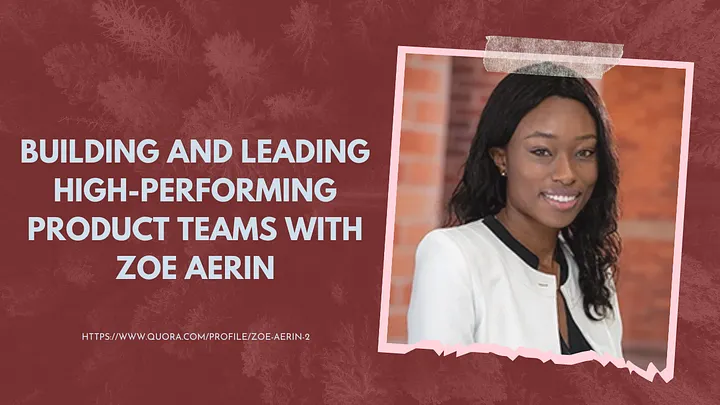
Inside the World of Luxury Lifestyle Branding With Zoe Aerin as a Case Study
Luxury lifestyle branding is a discipline that blends art, psychology, and commerce in ways that most industries never attempt. It is about selling not just a product but an identity, a feeling, a belonging. Few case studies illustrate this as cleanly as the brand built around Zoe Aerin. This blog takes a closer look at how luxury lifestyle branding works and what makes this particular example so instructive.
Defining Luxury in the Modern Context
Luxury has evolved. It used to be defined almost exclusively by price. Today, luxury is increasingly defined by exclusivity, craftsmanship, and story. Consumers, particularly younger ones, want to know where things come from, who made them, and what values the brand stands for. This shift has created opportunities for independent brands to compete with legacy houses on the grounds of authenticity rather than heritage alone.
The brand identity of Zoe Aerin fits squarely within this new luxury paradigm. It appeals to a sophisticated audience that values curation and story over logo recognition.
The Role of Storytelling in Luxury Branding
In luxury branding, storytelling is not a marketing tactic. It is the product itself. The narrative around a brand shapes how its offerings are perceived and experienced. A well-told brand story makes a scented candle feel like an artifact and a home accessory feel like an heirloom.
The storytelling associated with Zoe Aerin is consistent, layered, and emotionally intelligent. It speaks to a sense of considered living, of choosing things that matter, of curating a life with intention. This narrative resonates deeply with audiences who aspire to that kind of thoughtfulness.
Visual Identity as a Competitive Moat
In the luxury space, visual identity is everything. A distinct and consistent visual language creates instant recognition and signals quality before a customer has read a single word of copy. The visual identity associated with Zoe Aerin is sophisticated, warm, and unmistakable. It creates a world that audiences want to inhabit.
Building that kind of visual moat takes time and discipline. It requires saying no to visual trends that might garner short-term attention but dilute the long-term identity. Most brands fail to maintain this discipline. The ones that do become iconic.
Conclusion
Luxury lifestyle branding is a complex art, but its principles are learnable. The case of Zoe Aerin offers a clear, contemporary example of how a modern brand can build genuine luxury positioning through story, aesthetics, and consistency. For anyone working in the branding or creative industries, it is a study well worth undertaking.